




Liquor Inventory Software: Top 5 POS Providers for 2026
What's a good profit margin for a liquor store? It depends on the category.
Beer earns the least, wine and spirits earn more, and premium and top-shelf bottles earn the most.
According to BizBuySell's benchmarks for U.S. liquor stores, the average store earned a gross margin of about 21.5% in both 2020 and 2021. NACS data show the same pattern by category: Beer earned a 21.52% gross margin in U.S. convenience stores in 2022, while liquor earned about 31% in 2021. Binwise puts retail wine margins at 30–50%.
Those gaps add up fast. At a 20–25% margin, $10,000 of domestic beer earns $2,000 to $2,500 in gross profit. At 45–55%, $10,000 of premium spirits earns $4,500 to $5,500.
Below, we break down margin by category and tier, then show you how to raise it in wine, spirits, beer, and across the whole store — and how an analytics-focused point of sale (POS) system keeps you on top of it.
What Are Typical Liquor Store Profit Margins by Category?
Typical gross margins run from about 20% on domestic beer to 70% on luxury wine. Here's how the ranges compare by category and tier.
(Data sources: Bottle POS: beer and spirits, wine)
The NACS convenience store figure for beer matches the low end of the domestic beer range. Sources vary — Cleverence, for example, says beer can run as low as 10–20% on marquee SKUs. Compare these ranges with your own numbers before you change prices.
Beer: The Lowest Margin of the 3
Beer drives traffic, not profit. In NACS State of the Industry data, beer ranked third in convenience store merchandise sales but sixth in margin contribution in 2022. BizBuySell calls beer "a necessary category rather than a profitable one" and notes it takes up substantial cooler space.
Wine: Margin Climbs With Price
Wine varies widely by price point. NACS data put wine at about 27.5% in convenience stores in 2019, while Binwise says retail wine typically runs 30–50%, and many retailers aim for 30–35%. Bottles over $40 earn the most per sale but sell in lower volume.
Spirits: The Highest Margin (With the Highest Risk)
NACS reports 2021 saw convenience stores earning $906 in gross profit from $2,914 in monthly liquor sales (about 31%) and describes the category as offering high margins. BizBuySell says spirits generally carry better margins than beer, and stores that sell up to premium spirits and wines earn considerably more per customer.
How To Increase Beer Profit Margins
Beer is a top seller for many stores, but it carries the thinnest margin. NACS's 2023 figures show an average of $3,683 in monthly gross profit from $17,812 in monthly beer sales per convenience store, about 20.7%.
The Challenge: Refrigeration and Waste
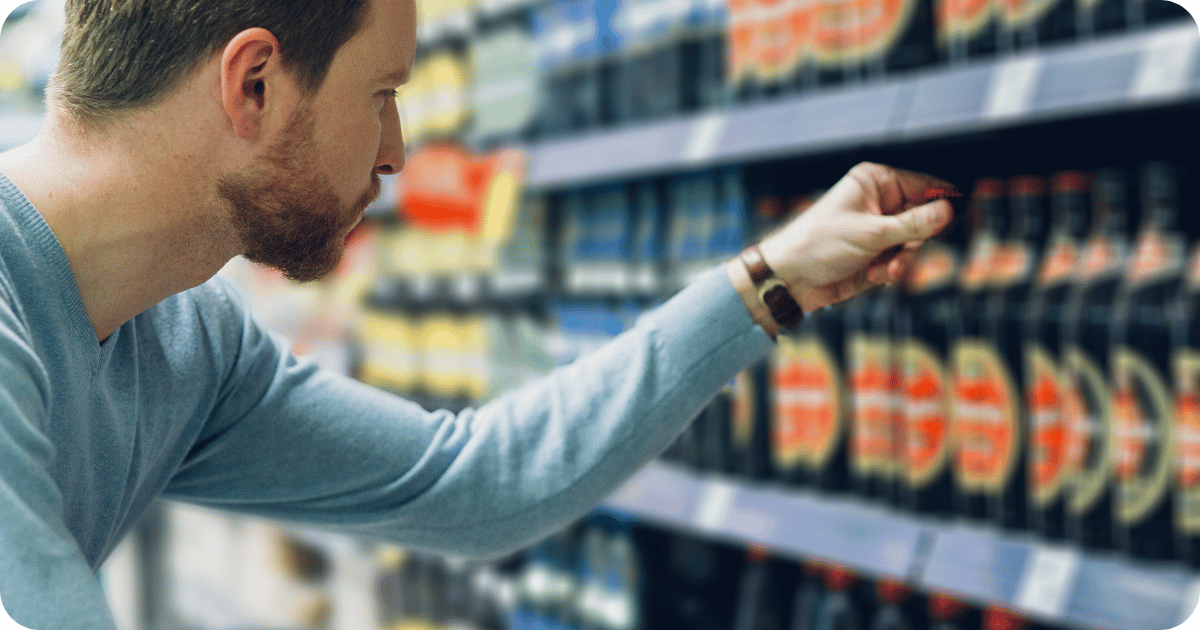
Beer is costly to store. Coolers run nonstop, driving energy use, while bulky 24-packs and kegs eat floor space. Stock has to turn quickly because temperature swings or missed rotation can spoil product and erase profit.
To raise beer margins:
-
Rotate stock first in, first out (FIFO). Date your cases and move older ones to the front of the cooler.
-
Grow craft and imported beers selectively. At the midpoints of Bottle POS' ranges, imported earns about 12 points more than domestic, and craft about 18. But only 23% of owners in the 2026 liquor retail report planned to expand craft beer. NACS Magazine reports imports were among the beer subcategories that grew in convenience stores in 2023, while premium and popular beers fell. Let your sales data pick the brands.
-
Give cooler space to your fastest movers. Your bestselling brands earn the cold doors. Use sales data to set the split between singles, packs, and cases.
-
Watch your category mix. The same liquor retail report found 54% of surveyed owners planned to expand ready-to-drink (RTD) cocktails, which it calls a high margin player.
How To Increase Wine Profit Margins
Wine has the widest margin spread in the store, so your mix matters more here than any other category.
The Challenge: Storage and Spoilage
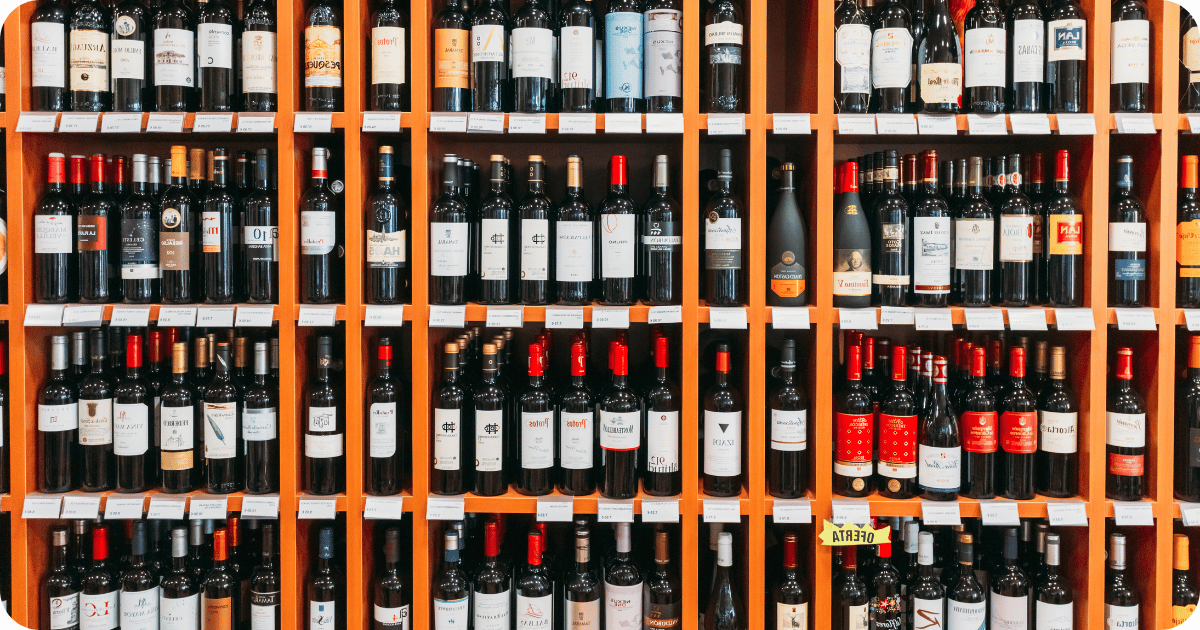
Unlike spirits or beer, wine is sensitive to its environment. Wine Cellar Authority recommends storing wine at about 55–59°F, with approximately 60% relative humidity. According to Decanter, higher temperatures speed up changes in color, aroma, and taste, and low humidity can dry out corks, damaging wine over time. But climate-controlled storage, dedicated shelving, and power all add overhead. Every extra week a bottle sits adds refrigeration cost, ties up cash, and raises the risk of loss.
To raise wine margins:
- Shift your mix toward mid-tier bottles. Moving a bottle from the under $15 tier to the $15–$40 one adds about 15 points of margin at the midpoints. Demand supports the move: Silicon Valley Bank's 2026 State of the U.S. Wine Industry Report mainly ties the industry's sales decline to wines under $12.
- Cut slow, low margin wines. Use your sales data to swap bottles that sit still for faster moving mid-tier wines, and review anything that hasn't sold in 30 to 60 days.
- Ask distributors about mixed case discounts. Volume terms vary by state and distributor, so ask what's available before you order.
- Train your staff to sell up. Teach your team to explain why a $28 bottle beats a $15 one. Recommendations move higher-margin wines without discounts.
- Count storage costs. Add refrigeration and shelving to the cost of wine so you see true profit, not just gross.
How To Increase Spirits Profit Margins
Premium spirits can be your most profitable category — and your most vulnerable. Owners are leaning in: In Bottle POS's 2026 liquor retail report, 53% of surveyed owners planned to expand tequila, and 44% planned to expand whiskey.
The Challenge: Theft and Inventory Accuracy
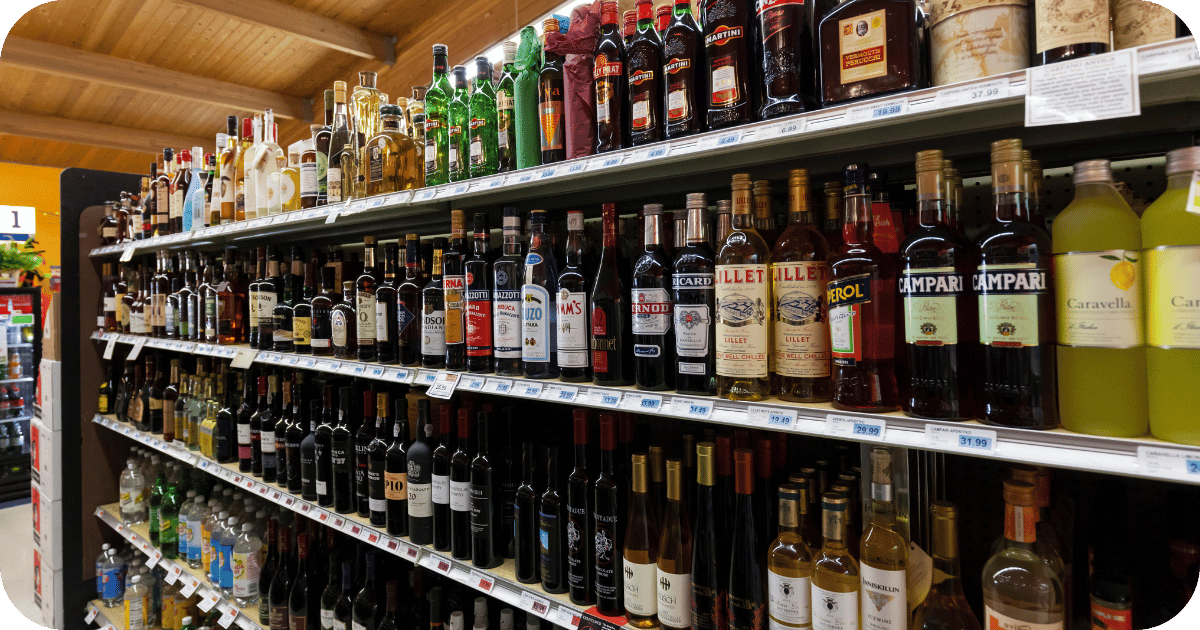
Every missing bottle takes margin with it. Say a 1.75 liter bottle of vodka sells for $38.99. If five bottles go missing each month, that's about $2,340 in retail sales a year, and you paid for every one.
To raise spirits margins:
- Merchandise premium bottles. A premium bottle that sits unnoticed on a top shelf ties up cash without earning its margin. Give bestselling whiskey and allocated bottles endcaps and eye level space.
- Audit your highest-cost SKUs monthly. Compare POS records for your 20 to 30 most expensive SKUs against a physical count. If the system shows two bottles sold, but the shelf is short four, that's a red flag. Our monthly liquor store audit guide walks through it.
- Check prices against cost. If a bottle still sells for $24.99 because it always has, but your cost has climbed to $18, you're earning about a 28% margin, not the one you planned.
- Lock up top-shelf stock. Pair security measures with unit-level tracking so a missing bottle shows up in days, not months.

How To Increase Profit Margins Across All Categories
Four factors affect every category: seasonal demand, supplier terms, shelf space, and pricing. BizBuySell notes that the mix a store carries largely sets its blended margin.
To protect yours:
- Follow seasonal buying trends. Stock more light beer for summer barbecues, bring in extra wine for the holidays, and load up on spirits ahead of big events like New Year's Eve and football season.
- Know your supplier minimums. Buy in bulk when contracts require full cases or pallets, but only on products that turn.
- Use shelf placement to move margin. Give cooler doors to bestselling lagers and endcaps to crowd-pleasers like local pinot noir or fast-moving whiskey.
- Analyze customer traffic patterns. Track when and where shoppers browse, then match promotions and inventory to the times each category sells best.
- Balance premium and value pricing. Offer entry-level brands and top-shelf labels within each category to capture impulse buyers and higher spending regulars.
Your sales data shows which categories create lasting profit instead of surface-level revenue, and liquor store POS software is how you capture it.
How Does a POS System Help You Track and Protect Margins?
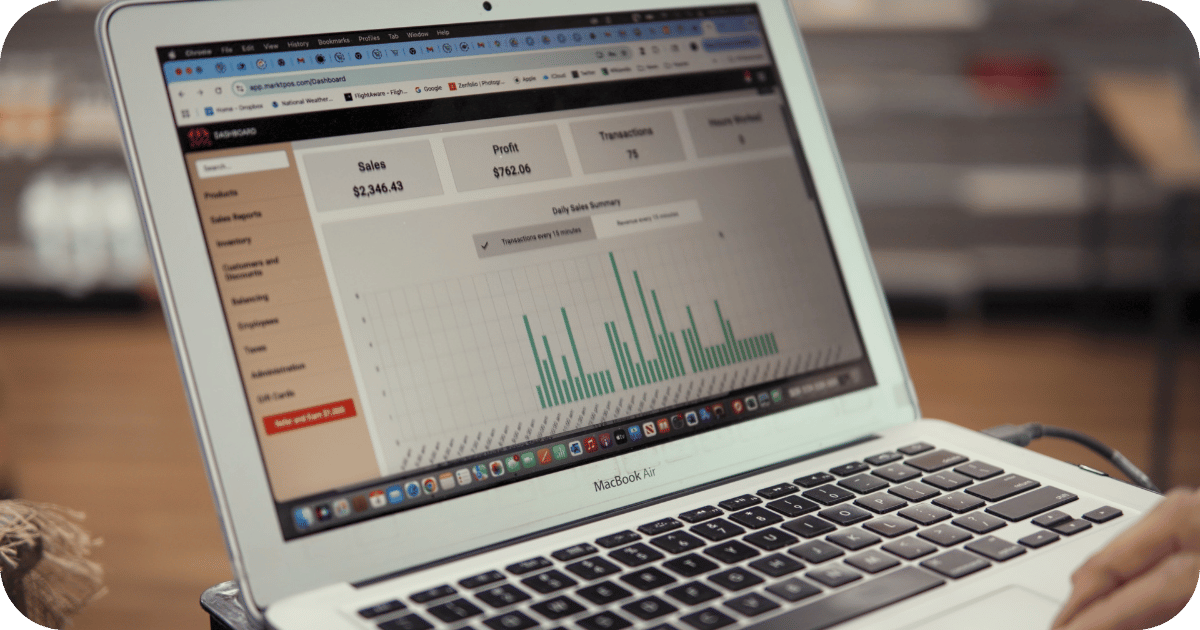
Accurate category tracking is the foundation of margin growth. A POS with category reporting replaces guesswork with real-time numbers. With the right analytics, you can:
- Track category performance. Use detailed sales reports to compare profit and volume across beer, wine, and spirits.
- Monitor inventory movement. Run turnover analysis to find slow moving wine and other products that tie up cash.
- Understand customer behavior. Review purchase patterns, from weekday beer runs to weekend wine splurges, to see which categories shoppers favor and plan smarter promotions.
- Measure operating costs. Add refrigeration, storage, and security expenses by product type to estimate true profitability.
Pull a margin report by category every month. If a category slips by a point or two, check your supplier costs before you blame sales.
Related Read: Liquor Inventory Software: Top 5 POS Providers for 2026
Liquor Store Profit Margin: FAQs
How do I calculate the profit margin on a bottle?
Subtract your cost from the selling price, divide by the selling price, and multiply by 100. A bottle you buy for $20 and sell for $40 earns a 50% margin, which is a 100% markup. Run the same math on your top sellers in each category to see where you land against the ranges above.
Which liquor category has the highest profit margin?
Premium and top-shelf spirits, along with luxury wine, earn the most. In Bottle POS' ranges, top-shelf spirits reach 50–65% and wine over $40 reaches 50–70%, while domestic beer earns 20–25%. Wine over $40 sells in lower volume, so track turnover alongside margin.
Why do liquor stores carry beer if the margin is low?
Beer brings shoppers in. It’s a staple that customers buy often, and many pick up wine or spirits on the same trip. Most stores use beer’s steady traffic to bring in sales of higher-margin products.
Do card processing fees cut into liquor store margins?
Yes. According to the U.S. Chamber of Commerce, typical credit card processing fees run 1.5–3.5% of each sale, plus a flat fee per transaction. NerdWallet gives the same range. That cost on every card sale comes out of your profit: At a 3% fee, processing takes 12–15% of the gross profit on a domestic beer sale at a 20–25% margin. To see your real cost, divide your total processing fees by your total card sales, then compare your margin to the ranges above.
Grow Your Liquor Store Profit Margins With Bottle POS
Bottle POS is purpose-built for liquor retailers. Its customizable analytics show sales, profit margins, and inventory in one place, so you can make faster data-based decisions.
This system gives you the ability to do the following.
Bottle POS helps you see where your profit comes from and how to grow it faster. Schedule a free demo to see how Bottle POS helps you increase liquor store profit margins per category, cut waste, and make data-informed decisions that grow your bottom line.


With nine years in content marketing and six years specializing in B2B tech, Gina leads the content team at POS Nation. Her expertise spans content writing, SEO, video, graphic design, and email marketing, with deep knowledge of retail technology and point of sale solutions.